- Home
- Research Projects
- Understanding diet composition and quality of tundra herbivores
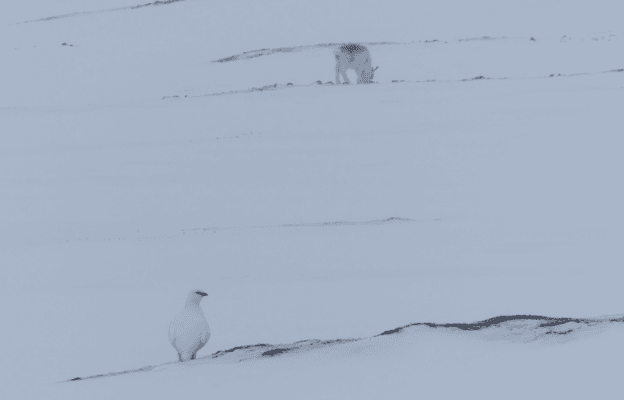
Assessing the diet of free-roaming animals is challenging because acquiring this information often requires invasive methods or expensive animal handling. Faeces represent an indirect but reliable way of studying diet as they contain information about the diet, physiology and ecology of grazing animals. Recent methodological advances, like high throughput sequencing DNA techniques and Near Infrared Reflectance Spectroscopy (NIRS) show promise for rapid and accurate assessment of diet composition and quality. In the TUNDRAdiet project, we propose to integrate the use of novel analytical tools to assess herbivore diet composition and quality across several tundra environments (Iceland, Greenland, Norway and circumpolar) through analyses of their faeces. TUNDRAdiet will provide critical new information for understanding the mechanisms underlying herbivore coexistence and the ecosystem-level impacts of herbivores in tundra ecosystems. We will also be able to provide tools for rapid assessment of herbivore diet, as well as to inform the development of relevant management and conservation actions for a rapidly changing Arctic.
Photo credit: Jennifer Forbey
Contacts